
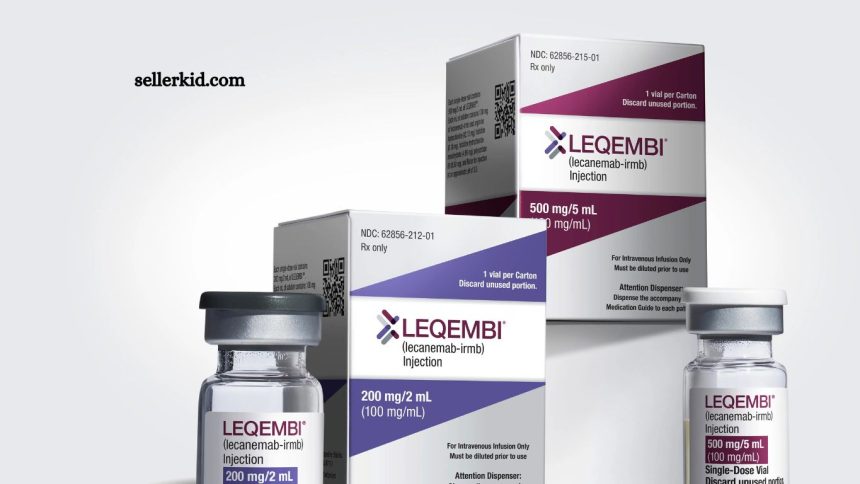
Health Canada has approved a groundbreaking treatment that can slow the progression of Alzheimer’s disease, marking a major milestone in the fight against one of the country’s most pressing health challenges. The newly authorized drug, lecanemab — sold under the brand name Leqembi — offers new hope that Alzheimer’s can be targeted earlier, potentially preserving memory and independence for longer.
The approval follows successful regulatory reviews in several countries, including the United States, the United Kingdom, Japan, Mexico and China, with evaluations still underway in 15 additional regions, such as the European Union. Lecanemab is specifically designed for adults diagnosed with mild dementia due to Alzheimer’s, aiming to intervene at the early stages of the disease.
Read More: Blue Jays’ Halloween World Series Dreams Dashed by Dodgers’ Ninth-Inning Horror
Why is it a ‘big deal’?
Lecanemab represents a major breakthrough because it’s the first Alzheimer’s treatment approved by Health Canada in more than a decade — and the first to target the underlying biology of the disease, according to the Alzheimer Society of Canada. Unlike existing therapies that only address symptoms, lecanemab works by targeting amyloids, the sticky protein that accumulates in the brain during the earliest stages of Alzheimer’s.
“Clinical studies show that lecanemab can help slow decline in memory, thinking and daily activities for people with mild cognitive impairment or early-stage Alzheimer’s disease,” the society said, calling the approval a significant milestone.
“This is a big deal,” said Dr. Sharon Cohen, neurologist and medical director of the Toronto Memory Program. She said that by clearing amyloids and intervening early, the drug may help keep symptoms mild for longer and slow the overall progression of the disease.
“Most people at four years of treatment are staying mild, staying in their own homes, independent,” she added, noting that far fewer progress to moderate or severe stages while on therapy.
When will it be available?
In Canada, it can take up to two years after regulatory approval for new medicines to become publicly covered, the Alzheimer Society said.
However, people with private or extended benefits often gain access much sooner.
“The Alzheimer Society of Canada urges faster, more coordinated reimbursement processes so that approval translates into timely, equitable access for all Canadians,” the group said.
Another challenge to access is the fact that the drug is administered intravenously, which requires safety monitoring through regular MRIs. Those may be hard to access outside of Canada’s large urban centres.
When will it be available?
In Canada, new medicines can take up to two years after regulatory approval to become publicly covered, the Alzheimer Society of Canada said. People with private or extended health benefits often gain access much sooner.
“The Alzheimer Society of Canada urges faster, more coordinated reimbursement processes so that approval translates into timely, equitable access for all Canadians,” the group added.
Access is also complicated by the fact that lecanemab is administered intravenously and requires ongoing safety monitoring through regular MRIs. These monitoring requirements may be difficult to meet outside major urban centres, potentially limiting availability for patients in rural or remote areas.
Are other treatments coming?
While lecanemab is a major step forward, new therapies are in development. For example, donanemab, another antibody targeting amyloid plaques, is under review by Health Canada and could gain approval by early 2026.
Frequently Asked Questions
What is lecanemab?
Lecanemab (Leqembi) is the first Health Canada-approved drug designed to slow the progression of Alzheimer’s disease by targeting amyloid proteins in the brain, which accumulate in the early stages of the illness.
Who can take it?
It is approved for adults with mild dementia due to Alzheimer’s disease who do not carry the APOE4 gene, which increases the risk of side effects such as brain swelling and small bleeds. Genetic testing is recommended to determine eligibility.
How is it administered?
The treatment is given intravenously every two weeks and requires regular MRIs to monitor for side effects.
What does it cost?
Lecanemab is currently not publicly covered in Canada. Private insurance may provide faster access. In the U.S., annual costs can reach US$26,000 due to the biweekly dosing schedule.
What are the risks?
Side effects include brain swelling and microbleeds. Benefits are most significant if started early, but long-term effectiveness remains uncertain. It is not a cure and may not provide meaningful benefits for all patients.
When will it be widely available?
Public coverage in Canada may take up to two years. Access is easier for those with private insurance, but availability may be limited outside major urban centres due to MRI monitoring requirements.
Conclusion
The approval of lecanemab marks a historic step forward in Alzheimer’s treatment, offering hope for slowing disease progression in its earliest stages. While it is not a cure and comes with risks, the drug represents a shift toward targeting the underlying biology of Alzheimer’s rather than just managing symptoms. Access and cost remain significant hurdles, particularly for Canadians in rural areas or those without private insurance, and long-term benefits are still being studied.